Romanian cuisine has evolved from hearty peasant food to sophisticated fine dining, yet it remains deeply rooted in centuries of tradition, agricultural heritage, and cultural influences from across Europe and the Middle East.
At Mega Film Restaurant, we believe that Romanian gastronomy deserves a place among the world's most celebrated culinary traditions. Our mission is to honor these time-honored recipes while presenting them with the creativity, technique, and artistry that define contemporary fine dining.
The Foundations of Romanian Cuisine
Romanian food culture is built on a foundation of fresh, seasonal ingredients and time-tested preparation methods passed down through generations. The country's diverse geography—from the Carpathian Mountains to the Black Sea coast, from the Danube Delta to the fertile plains of Wallachia—has blessed Romania with an abundance of natural resources.
Traditional Romanian cooking emphasizes the natural flavors of ingredients rather than masking them with heavy sauces or elaborate preparations. This philosophy aligns perfectly with the contemporary movement toward ingredient-focused cuisine, where the quality and provenance of each component takes center stage.
Staples like polenta (mămăligă), sour soups (ciorbă), stuffed cabbage rolls (sarmale), and grilled meats have defined Romanian tables for centuries. But these seemingly simple dishes contain layers of complexity—fermented ingredients, slow-cooked stews, and carefully balanced flavors that reflect both the ingenuity and patience of Romanian cooks.
Elevating Tradition Through Modern Technique
The challenge and opportunity for contemporary Romanian chefs lies in respecting tradition while embracing innovation. At our restaurant, Chef Adrian Constantinescu has mastered this delicate balance. He sources heritage ingredients—ancient grain varieties, rare vegetables from local farms, artisanal cheeses from small producers in Transylvania—and applies classical French techniques alongside modern culinary innovations.
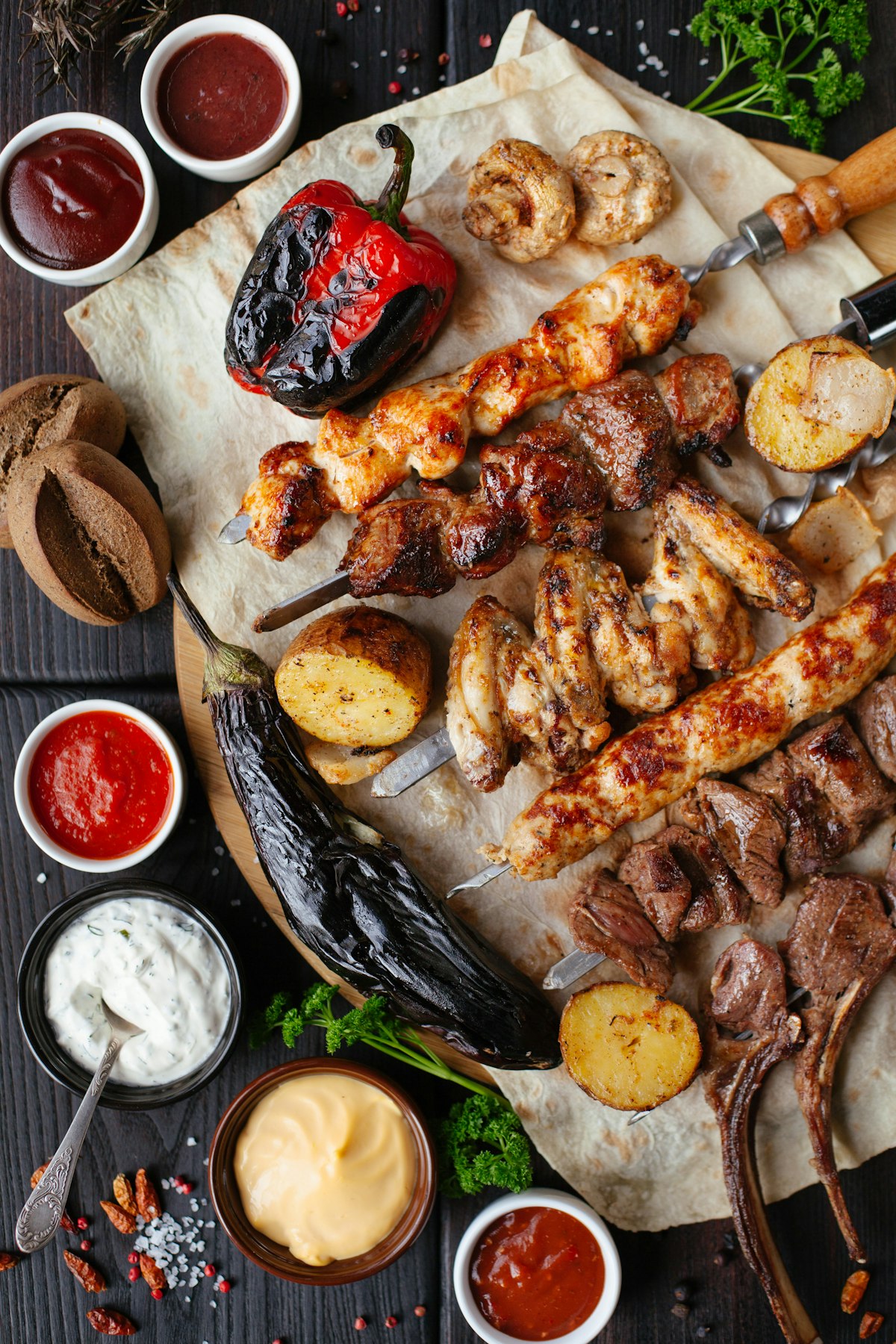
Consider our interpretation of the traditional Romanian platter. Where the classic version might present simple grilled meats with sides, our version deconstructs and reimagines each element. House-made mititei are crafted with premium beef and aromatic spices, grilled to perfection and presented with smoked eggplant purée, pickled vegetable garnishes, and a reduction made from Romanian red wine.
Similarly, our sarmale aren't just stuffed cabbage—they're a study in texture and flavor, with cabbage leaves fermented in-house, rice sourced from local organic farms, and pork from heritage breed animals. Each component is prepared separately with meticulous attention before being assembled into a dish that honors tradition while surprising even the most experienced palates.
The Role of Local Ingredients
One cannot discuss Romanian gastronomy without celebrating the quality of local ingredients. Romanian farmers and producers have maintained traditional methods even as industrial agriculture has transformed much of Europe. Small-scale farms still raise animals on pasture, grow vegetables without chemicals, and make cheese using centuries-old recipes.
At Mega Film Restaurant, we've built relationships with dozens of small producers throughout Romania. Our cheeses come from shepherds in the Carpathians. Our vegetables arrive from family farms in Transylvania. Our wine selection showcases Romania's emerging wine regions, particularly Dealu Mare and Cotnari, where winemakers are producing bottles that rival anything from Western Europe.
This commitment to local sourcing isn't just about supporting Romanian agriculture—it's about accessing ingredients at the peak of freshness and flavor. When you taste tomatoes picked that morning from a garden in Brașov, or herbs harvested from a mountain meadow, you understand why simple preparations allow these flavors to shine.
The Influence of Cultural Exchange
Romanian cuisine has always been a melting pot, influenced by neighboring cultures and historical events. Ottoman influences appear in dishes like mici and zacusca. Hungarian flavors are evident in Transylvanian cooking. Greek and Turkish elements appear throughout Romanian culinary tradition.
Rather than seeing these influences as diluting Romanian identity, we celebrate them as enriching our culinary heritage. This openness to outside influences while maintaining a distinct identity is what makes Romanian gastronomy so dynamic and relevant to contemporary dining.
Looking Forward
As Romanian fine dining continues to evolve, we're excited to be part of a movement that's gaining international recognition. Food critics and travelers are discovering what we've known all along—that Romanian cuisine offers depth, complexity, and flavors that can stand alongside any culinary tradition.
The future of Romanian gastronomy lies in this balance: respecting our roots while embracing innovation, honoring tradition while pushing boundaries, celebrating local ingredients while engaging with global culinary conversations. At Mega Film Restaurant, every dish tells this story—a story of pride in our heritage and confidence in our future.
We invite you to join us on this culinary journey, to taste how traditional Romanian flavors can surprise and delight when presented with contemporary artistry. Because Romanian gastronomy isn't just about preserving the past—it's about creating the future of fine dining.
Experience Romanian gastronomy at its finest. Reserve your table at Mega Film Restaurant and discover the artistry of our Chef's Tasting Menu, featuring seasonal Romanian specialties reimagined for the modern palate.
Make a Reservation