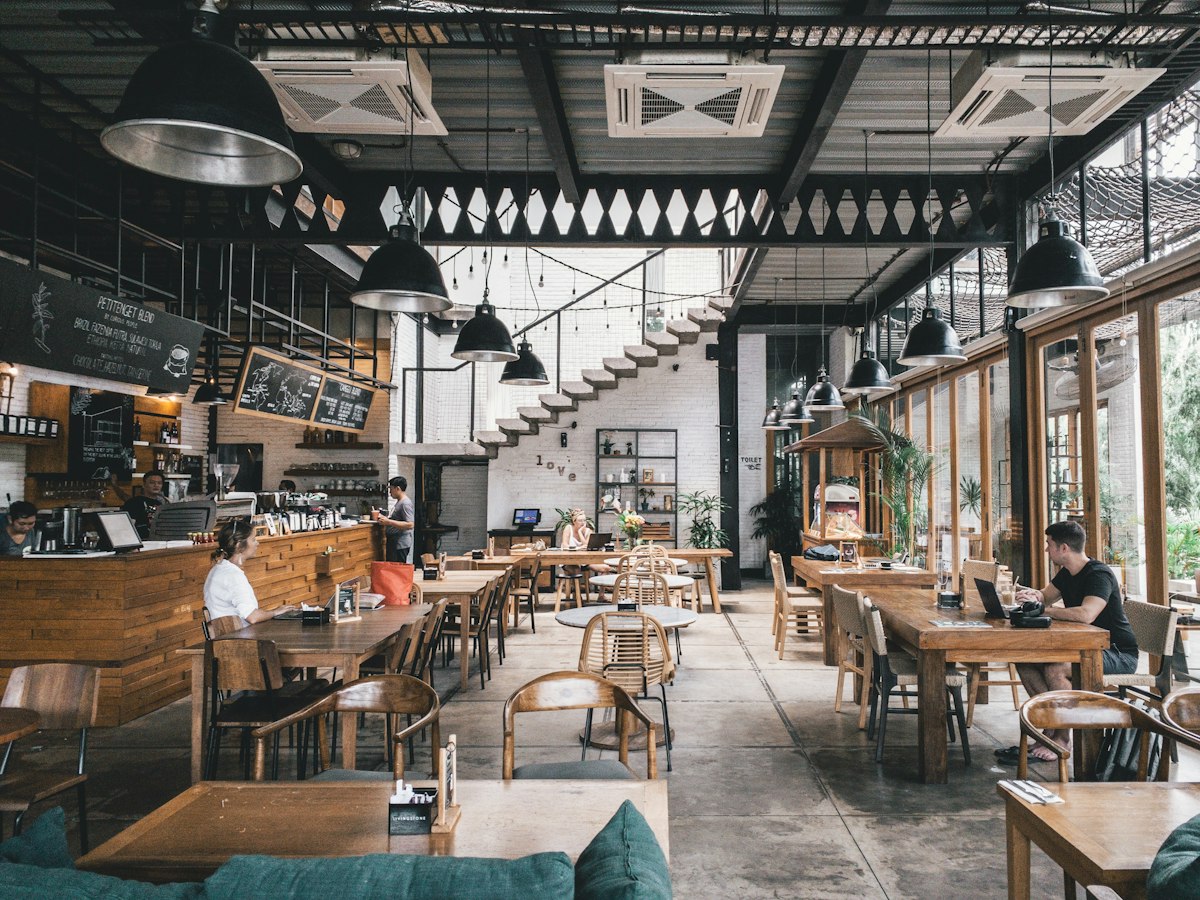
Once overlooked by the global culinary community, Bucharest has emerged as one of Eastern Europe's most dynamic and exciting food cities. Here's the story of how Romania's capital became a must-visit destination for food enthusiasts.
Twenty years ago, if you mentioned Bucharest to international food critics, you'd likely be met with blank stares. The city had restaurants, of course, but they were mostly serving traditional Romanian dishes in unchanged formats or attempting to copy Western cuisine without much success. Fine dining, in the contemporary sense, was virtually nonexistent.
Fast forward to today, and Bucharest is buzzing with culinary energy. Ambitious young chefs are opening innovative restaurants, established venues are reinventing themselves, and international food media is taking notice. The transformation has been remarkable—and it's still accelerating.
The Seeds of Change
The evolution of Bucharest's dining scene can be traced to several key factors. First, Romania's integration into the European Union in 2007 opened the country to new influences and opportunities. Young Romanians could study and work abroad, absorbing culinary techniques and perspectives that didn't exist at home.
Many of these young chefs returned to Romania with a mission: to prove that Romanian cuisine and Romanian talent could compete on the global stage. They brought back not just technical skills, but also confidence and ambition. They weren't content to serve French cuisine or Italian classics—they wanted to create something distinctly Romanian but presented with international standards of excellence.
Second, Romania's agricultural renaissance played a crucial role. As small-scale, organic farming gained traction, chefs suddenly had access to ingredients that rivaled anything available in Western Europe. Heritage tomato varieties, artisanal cheeses, pasture-raised meats, wild foraged ingredients—the building blocks of great cuisine were finally available to ambitious cooks.
The Rise of Romanian Fine Dining
The past decade has seen an explosion of creativity in Bucharest's restaurant scene. New restaurants are opening with increasingly sophisticated concepts—from contemporary Romanian cuisine to international fusion, from intimate chef's table experiences to casual-yet-refined bistros.
What makes this moment particularly exciting is the diversity of approaches. Some chefs are diving deep into Romanian culinary history, resurrecting forgotten recipes and presenting them with modern technique. Others are taking a more international approach, using Romanian ingredients within global culinary frameworks. Still others are creating entirely new directions that defy easy categorization.
At Mega Film Restaurant, we've been part of this journey since 2010. When we opened, the idea of a restaurant dedicated to elevated Romanian cuisine in a cinematic atmosphere was unusual. Today, while our concept remains unique, the idea that Bucharest can support sophisticated, ambitious restaurants is widely accepted. We've gone from being unusual to being part of a thriving community.
The International Recognition
Bucharest's culinary renaissance hasn't gone unnoticed internationally. Food writers and critics who visit Romania increasingly return with enthusiastic reviews. International restaurant guides have begun including Bucharest establishments. Food-focused travelers are adding the city to their European itineraries.
This recognition matters not just for individual restaurants, but for the entire Romanian food community. It validates what we've known all along—that Romanian cuisine and Romanian talent deserve a place in the global culinary conversation. It also creates a positive feedback loop, attracting more talent, investment, and innovation to the city.
The COVID-19 pandemic, despite its challenges, actually accelerated some positive trends. Restaurants were forced to innovate, to deepen relationships with local suppliers, and to reconsider their business models. Many emerged stronger and more focused. The crisis also sparked renewed appreciation for local food systems and Romanian ingredients—themes that had been building but were accelerated by necessity.
Beyond the Restaurant Scene
Bucharest's food culture extends far beyond restaurants. The city has seen growth in complementary areas that support and enhance the dining scene. Specialty food shops offering artisanal products have proliferated. Farmers' markets have become more sophisticated and popular. Coffee culture has exploded, with third-wave coffee shops matching the quality of any European capital.
Food education has also expanded. Cooking schools offer both professional training and recreational classes. Food festivals and culinary events draw thousands of attendees. Social media has created a community of food enthusiasts who share discoveries, support local businesses, and hold restaurants to high standards.
This ecosystem matters because great restaurant culture doesn't exist in isolation—it requires engaged diners, quality suppliers, skilled workers, and a broader culture that values food and hospitality.
The Role of Place
Bucharest itself—with its complex history, diverse architecture, and unique character—contributes to its culinary identity. The city's belle époque boulevards and Art Nouveau buildings provide elegant settings for sophisticated restaurants. Former industrial spaces have been transformed into trendy dining destinations. Historic neighborhoods offer intimate venues for experimental concepts.
The city's cultural institutions—theaters, museums, galleries—create a context where dining can be seen as part of a broader cultural experience. At Mega Film Restaurant, we've always emphasized this connection, seeing food as an art form comparable to cinema or painting.
Challenges and Opportunities
Despite remarkable progress, Bucharest's dining scene still faces challenges. Recruiting and retaining talented staff remains difficult, as many young professionals are drawn to opportunities abroad. The economic reality of running a restaurant in Romania—with its particular cost structures and market dynamics—requires creativity and resilience.
Infrastructure issues, from supply chain logistics to payment systems, can create friction that doesn't exist in more developed markets. And while progress has been impressive, there's still work to do in building a dining culture where quality is consistently valued and rewarded.
But these challenges also represent opportunities. As the scene matures, solutions emerge. Training programs develop. Supply chains strengthen. Guests become more sophisticated and demanding. Each obstacle overcome makes the entire ecosystem stronger.
Looking to the Future
Where is Bucharest's dining scene headed? If current trends continue, the city will solidify its position as a major European food destination. We're likely to see Romanian chefs gaining international recognition, possibly Michelin stars when the guide eventually comes to Romania. The diversity of dining options will expand, catering to increasingly sophisticated local and international audiences.
More importantly, I believe we'll see Bucharest develop its own distinct culinary identity—not simply copying Western European models, but creating something uniquely Romanian that resonates globally. Just as Copenhagen defined New Nordic cuisine or Lima became the capital of Peruvian gastronomy, Bucharest has the potential to become the defining voice for Romanian and broader Eastern European cuisine.
The foundation is in place: talented chefs, quality ingredients, enthusiastic diners, and a city with character and ambition. The story of Bucharest's culinary transformation is still being written, and the most exciting chapters may be yet to come.
At Mega Film Restaurant, we're proud to be part of this journey. Every night, we have the privilege of introducing guests—both locals and visitors—to the creativity, quality, and passion that define Bucharest's dining scene. It's been an incredible fifteen years, and we can't wait to see what the next fifteen bring.
Experience Bucharest's culinary renaissance firsthand. Join us at Mega Film Restaurant and taste why our city has become one of Europe's most exciting food destinations.
Book Your Table